
The Best Role of AI in Digital Marketing
The Role of Artificial Intelligence (AI) is changing the way businesses approach digital marketing. Tasks that once required a lot of time and effort can now be completed quickly with the help of smart technology. AI helps marketers understand customer behavior, create personalized content, and improve marketing strategies. In today’s competitive world, using AI has become an important part of successful digital marketing.
What is AI in Digital Marketing?
The role of AI in digital marketing refers to the use of advanced technology to perform tasks that normally need human intelligence. These tasks include analyzing data, predicting trends, and automating processes. AI tools collect large amounts of data and use it to make decisions or provide useful insights.
This reduces guesswork and helps marketers make smarter decisions. Instead of relying only on experience, businesses can now use real data to guide their strategies.
Understanding Customer Behavior
One of the main benefits of AI is its ability to understand customers better. Every online action—such as clicks, searches, and purchases—creates data. AI analyzes this data to identify patterns and preferences.
For example, AI can determine what type of products a customer likes or what content they engage with the most. This helps businesses create marketing strategies that match customer interests. When companies understand their audience, they can build stronger relationships and improve customer satisfaction.
Personalization
Personalization is a key part of modern digital marketing, and The Role of AI in digital marketing makes it easier to achieve. Customers prefer content and offers that are relevant to them. AI uses data to deliver personalized experiences for each user.
For example, e-commerce websites suggest products by analyzing a user’s previous searches and browsing behavior. In the same way, email campaigns can be tailored according to individual interests and preferences. This approach makes customers feel recognized and appreciated, which can lead to higher conversion rates.
Personalization not only improves user experience but also helps build trust and loyalty.
Chatbots and Customer Support
AI-powered chatbots are widely used in digital marketing. These chatbots can interact with customers at any time, providing quick responses to questions. They help users find information, explore products, and even complete purchases.
Chatbots reduce the need for large customer support teams and improve response time. They also collect useful data from conversations, which can be used to improve marketing strategies.
As chatbots continue to learn from interactions, they become more accurate and helpful over time.

Smarter Advertising
AI has made digital advertising more effective. It helps businesses target the right audience by analyzing user data. Instead of showing ads to everyone, AI focuses on people who are more likely to be interested.
The Role of AI in digital marketing also helps manage advertising budgets. It tracks the performance of ads and adjusts campaigns in real time. This ensures better results and reduces unnecessary spending.
With AI, businesses can test different ad versions and quickly identify what works best.
Content Creation and Optimization
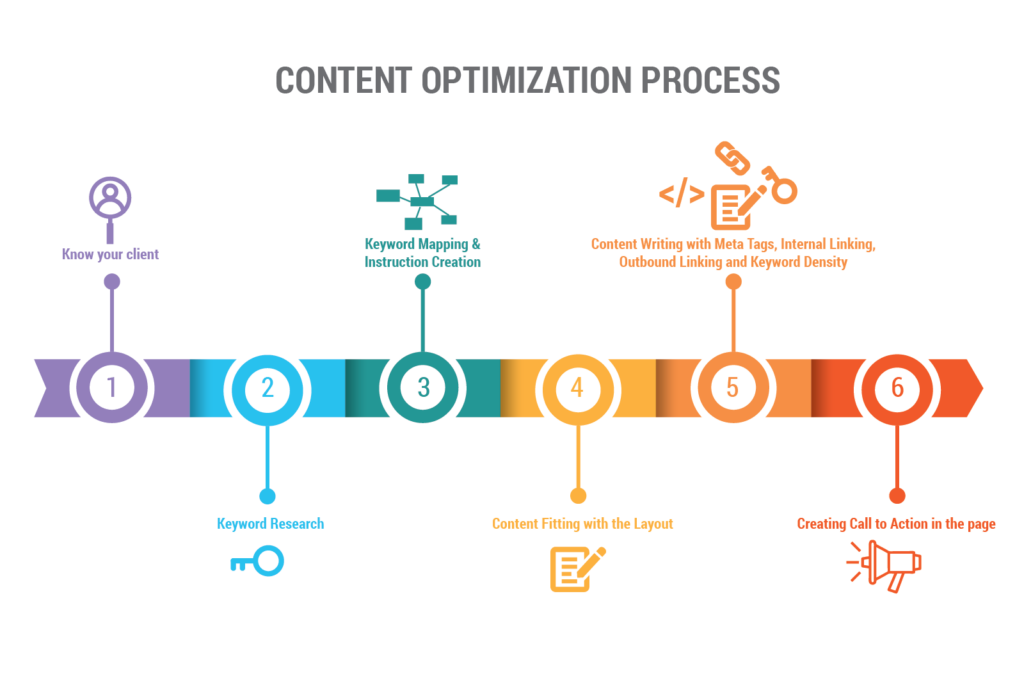
Content is a vital part of digital marketing. The Role of AI in digital marketing supports both the creation and enhancement of content. It can recommend relevant topics, provide fresh ideas, and refine content to achieve stronger results and higher engagement.
AI tools analyze keywords, readability, and user engagement. This helps marketers create content that reaches a wider audience. Although human creativity is still important, AI makes the process faster and more efficient.
Email Marketing
Email marketing continues to be a highly powerful digital marketing strategy. With the help of AI, campaigns become more focused and efficient. It can identify the ideal time to send emails and recommend engaging subject lines that capture the reader’s interest.
AI also enables marketers to segment audiences based on their actions and interests. Each segment is then sent personalized emails that match their needs, leading to stronger engagement. As a result, businesses often see improved open rates and increased conversions.
Predictive Analytics
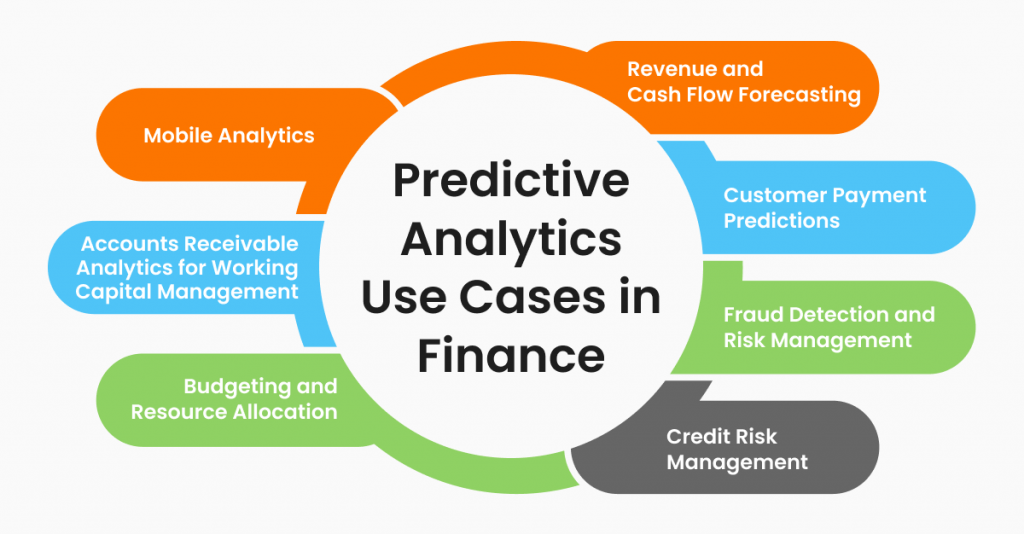
The Role of AI in digital marketing includes analyzing historical data to forecast upcoming trends, a process known as predictive analytics. This allows businesses to anticipate customer behavior and better understand what actions users are likely to take next.
For example, AI can predict which products will be popular or which customers may stop buying. This allows businesses to take action in advance and improve their strategies.
Predictive analytics helps companies stay ahead of the competition.
Challenges of AI
Despite its benefits, AI has some challenges. Data privacy is a major concern because AI depends on user data. Businesses must handle this data carefully and follow rules.
Another issue is excessive automation. Relying too heavily on AI can make marketing feel less personal and genuine. That’s why it’s essential to maintain a balance between smart technology and human creativity.
The cost of AI tools can also be high, especially for small businesses. However, many affordable options are becoming available.
if you plan to do seo service for business contect
Conclusion
AI has become a key driver in digital marketing. It enables businesses to gain deeper insights into their customers, deliver tailored experiences, and enhance overall marketing results. From intelligent chatbots to data-driven predictive analytics, AI helps make marketing strategies more efficient and impactful.
The role of Ai in Digital marketing is growing faster with support
The role of AI in digital marketing is helping businesses understand customers better. It predicts trends, improves campaigns, and makes marketing faster and smarter.
While there are some challenges, the benefits of AI are much greater. Businesses that use AI wisely can improve their results and stay competitive in the digital world